Choosing the right interior door for high-moisture areas like bathrooms and kitchens is a critical design and functional decision. While solid wood doors offer timeless appeal, WPC doors are increasingly recognized as the superior practical choice for these demanding spaces. Their engineered construction directly addresses the core vulnerabilities of natural wood in humid environments.
The most significant advantage is their exceptional resistance to moisture and water damage. Solid wood, even when treated, is inherently hygroscopic - it absorbs ambient moisture. In steamy bathrooms and kitchens, this leads to warping, swelling, sticking in frames, and eventual rot. WPC doors, however, are crafted from a blend of wood fiber/wood flour and thermoplastics, encapsulated in a waterproof polymer coating. This composite core and protective layer make the door impervious to moisture absorption, ensuring dimensional stability and smooth operation for years, regardless of humidity levels.
This core resistance translates directly to minimal maintenance. Unlike wood doors that require regular sealing, varnishing, or painting to protect their surface, WPC doors are essentially maintenance-free. Their surfaces are not only waterproof but also highly resistant to stains, allowing for easy cleaning with a damp cloth. They are also less susceptible to scratches and minor dents compared to softer wood varieties, making them ideal for the high-traffic nature of kitchens.
Furthermore, WPC doors provide enhanced sanitary benefits. Their non-porous surface does not support the growth of mold, mildew, or bacteria - a common and unhealthy problem with damp wood. This contributes to a healthier indoor environment, which is especially valuable in kitchens and bathrooms where hygiene is paramount.
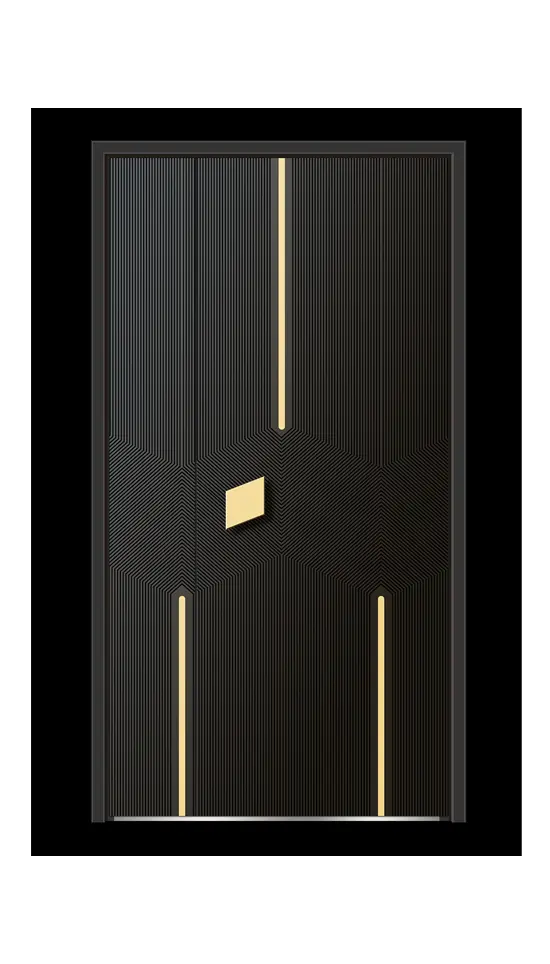
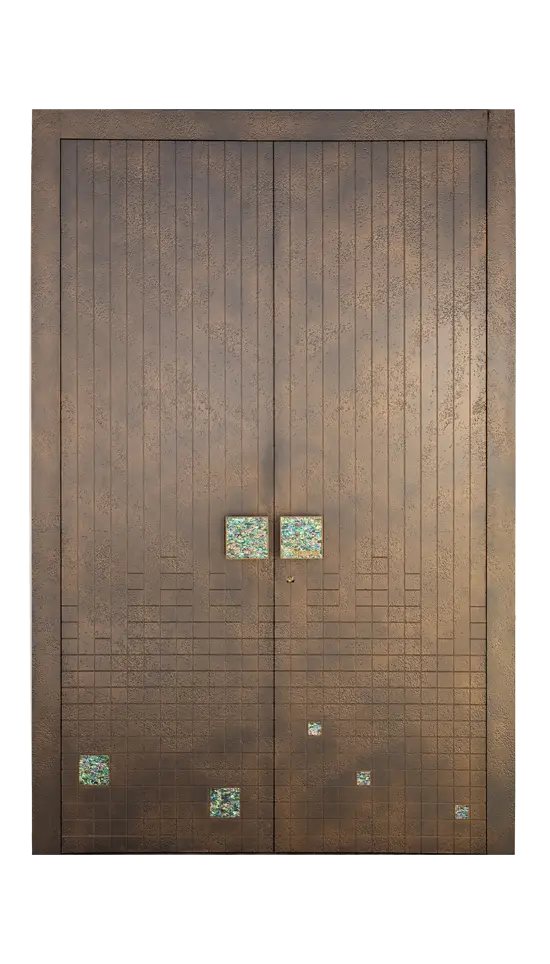
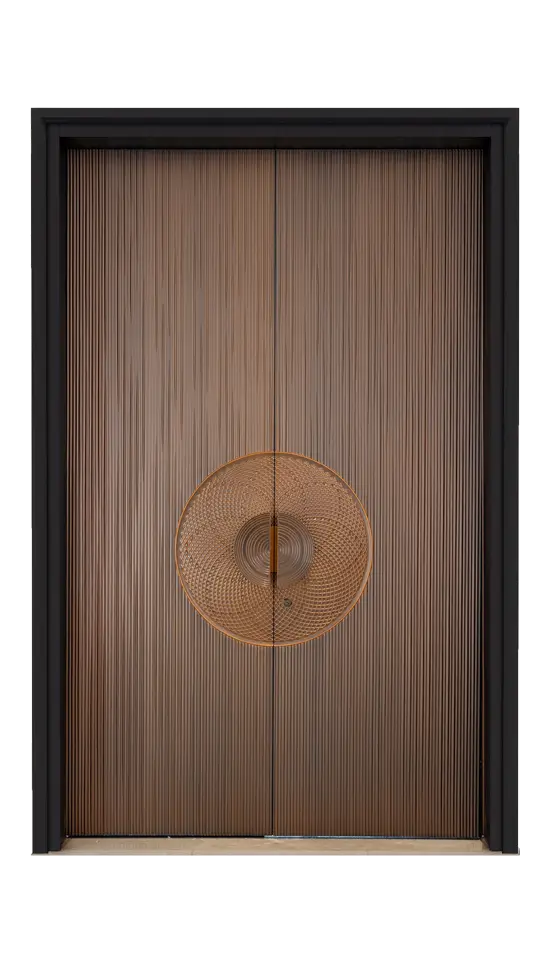
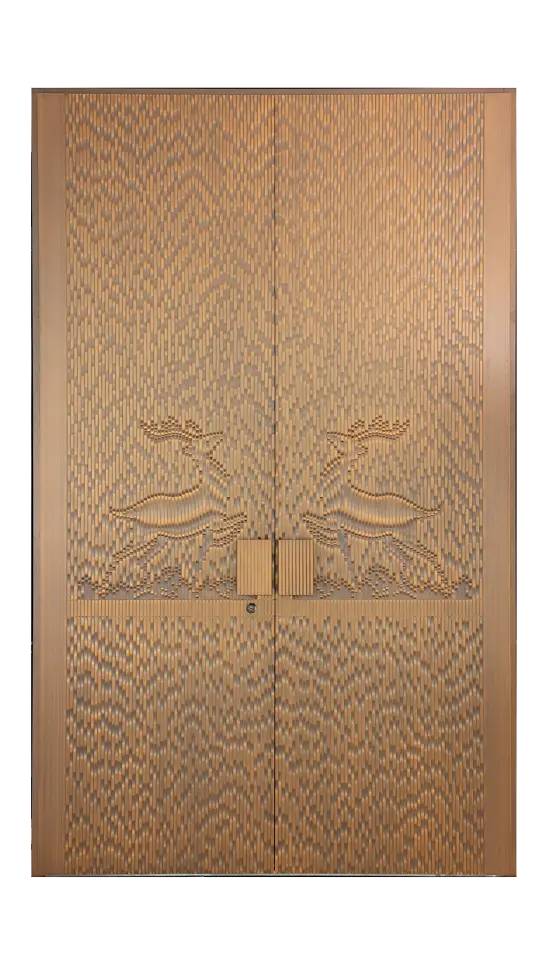
From a performance and design standpoint, WPC doors offer stability without sacrificing aesthetics. Modern manufacturing allows for a wide range of finishes, including high-fidelity wood grain textures, laminates, and color options that can convincingly mimic the look of wood or other materials, providing design flexibility without the associated drawbacks.
In essence, WPC doors outperform wood in bathrooms and kitchens by solving for the environment. They trade the variable, reactive nature of organic wood for predictable, engineered resilience, offering homeowners durable, low-maintenance, and hygienic doors that maintain their beauty and function in the face of constant steam, splashes, and temperature changes.

 EN
EN
 es
es  ru
ru  pt
pt  ar
ar  fr
fr  de
de  cs
cs  fa
fa