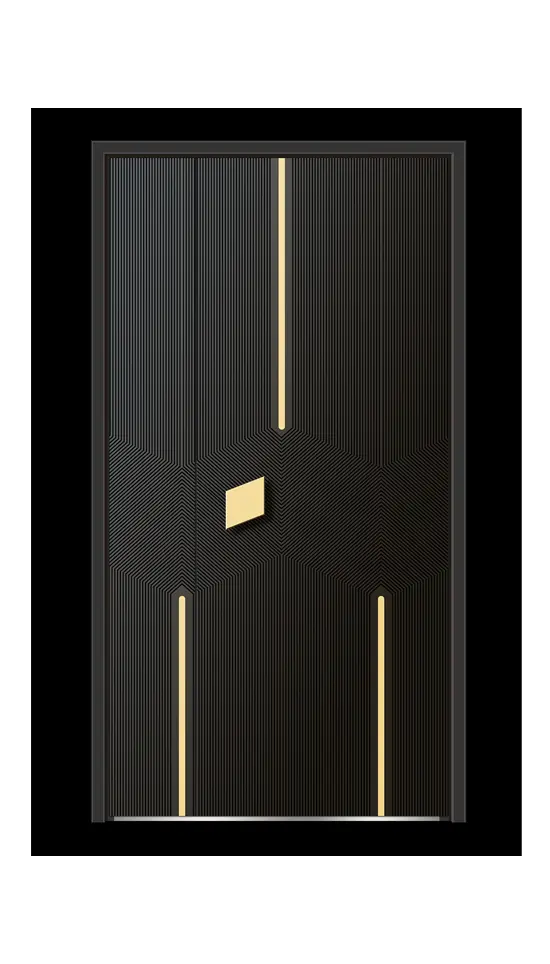
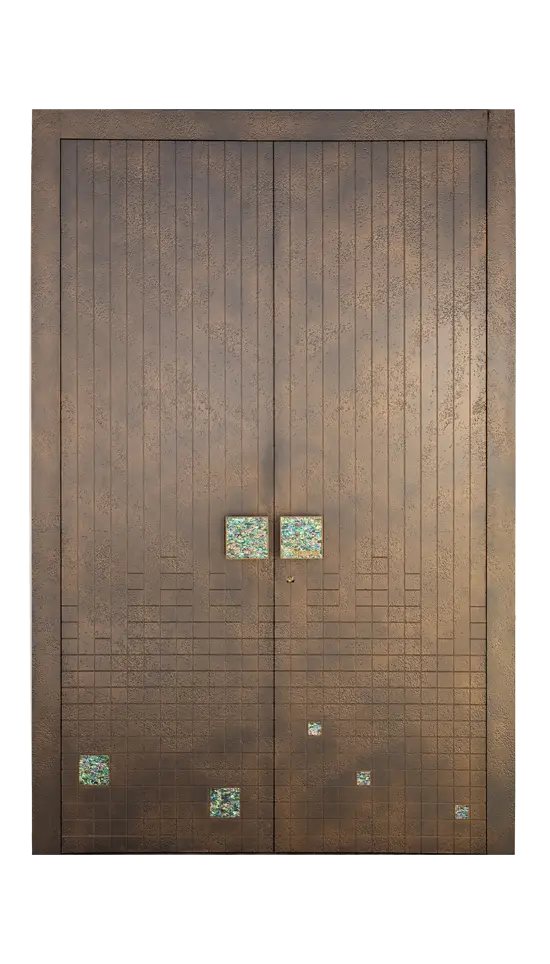
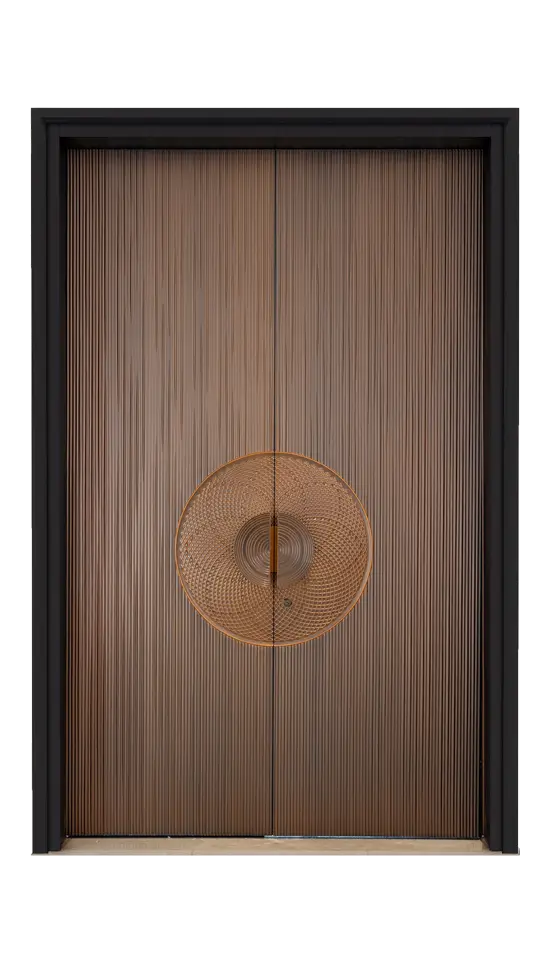
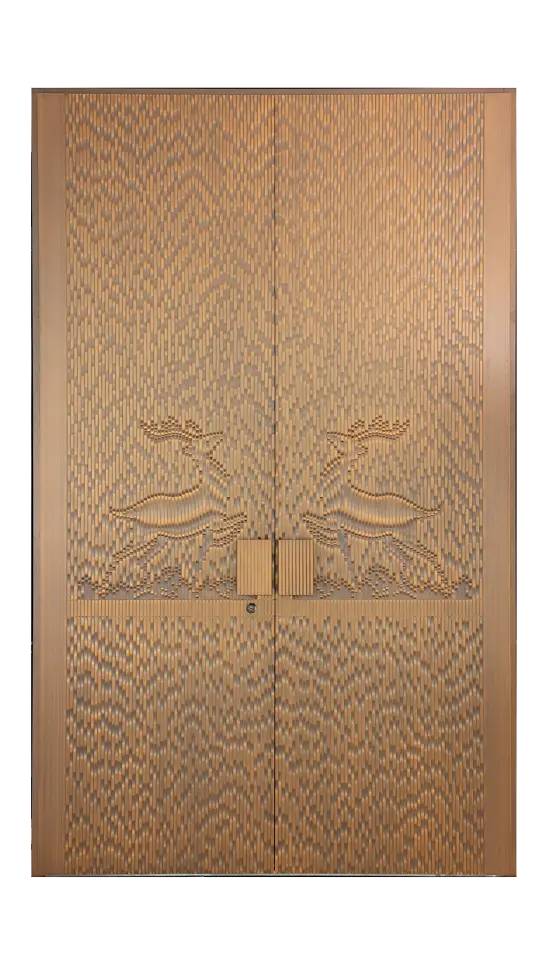
In today’s construction industry, steel doors have become one of the most widely used solutions for residential, commercial, and industrial buildings. Known for their strength, durability, and long service life, steel doors are often chosen when safety and performance are top priorities. As building standards continue to rise globally, the advantages of steel doors are becoming increasingly important for architects, contractors, and property owners.
Below are the key advantages that make steel doors a preferred choice in modern construction projects.
1. High Strength and Security
One of the most significant advantages of steel doors is their superior strength. They provide excellent protection against forced entry and external impact.
Key benefits include:
Strong resistance to break-ins
High impact durability
Enhanced building security
Reliable structural stability
Suitable for high-security environments
This makes steel doors ideal for industrial and commercial facilities.
2. Long Lifespan and Durability
Steel doors are designed to withstand heavy use and harsh environments, offering a long service life compared to many other materials.
Durability advantages include:
Resistant to wear and damage
Long-term structural integrity
Suitable for high-traffic areas
Stable performance over time
Reduced replacement frequency
Their durability helps reduce long-term maintenance costs.
3. Fire Resistance Performance
Many steel doors are designed with fire-resistant properties, making them an important safety feature in buildings.
Fire safety benefits include:
High temperature resistance
Slows down fire spread
Protects evacuation routes
Improves building safety standards
Complies with fire regulations
This is especially important in public and commercial buildings.
4. Low Maintenance Requirements
Steel doors require relatively low maintenance compared to wooden or other material doors.
Maintenance advantages include:
This makes them a practical long-term investment.
5. Weather and Environmental Resistance
Modern steel doors are treated with protective coatings that improve resistance to environmental conditions.
Environmental benefits include:
Anti-corrosion protection
Suitable for outdoor use
Resistance to moisture and humidity
Stable performance in harsh climates
Long-term surface protection
This ensures reliable performance in various environments.
6. Strong Load-Bearing Structure
Steel doors maintain structural stability even under heavy pressure or frequent use.
Structural advantages include:
High load-bearing capacity
Stable frame construction
Reduced deformation risk
Strong hinge support
Reliable long-term operation
This makes them suitable for industrial and commercial applications.
In conclusion, Steel doors offer a combination of strength, security, durability, and fire resistance, making them one of the most reliable choices in modern construction. With low maintenance requirements and strong environmental adaptability, they are widely used across residential, commercial, and industrial sectors. As building safety standards continue to improve, steel doors will remain an essential component of secure and durable architectural design.

 EN
EN
 es
es  ru
ru  pt
pt  ar
ar  fr
fr  de
de  cs
cs  fa
fa