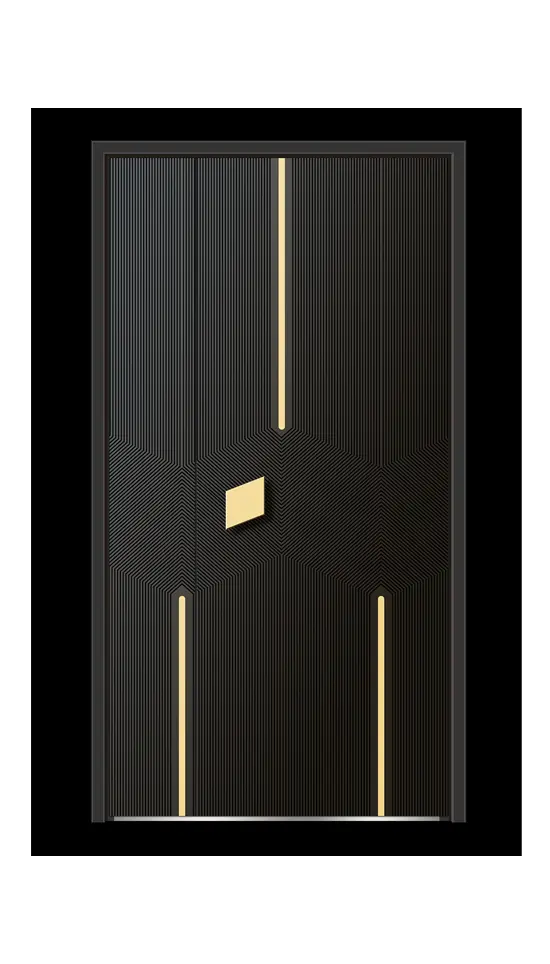
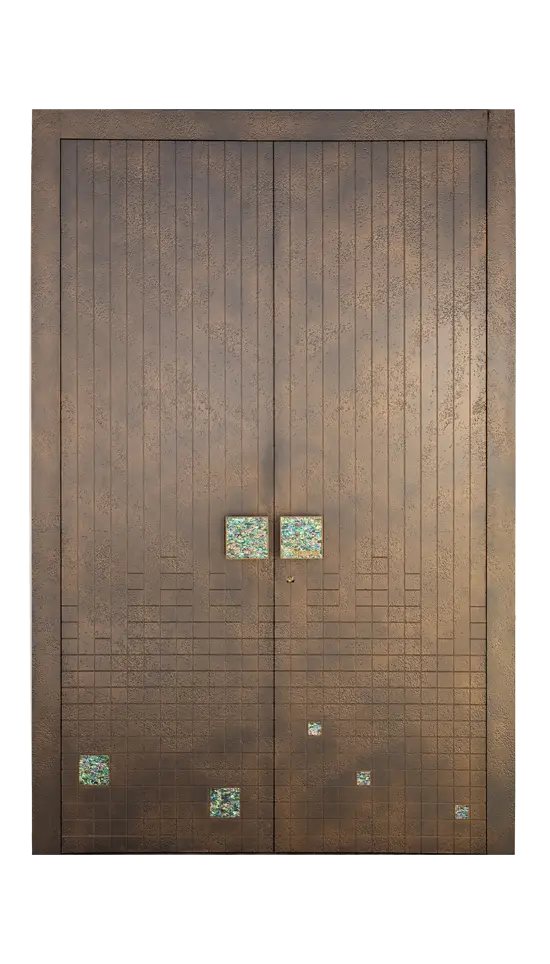
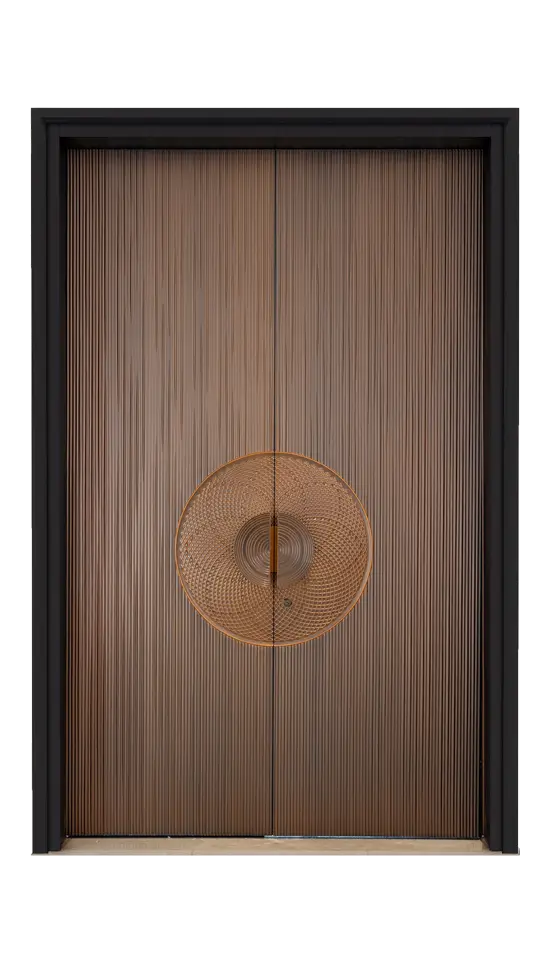
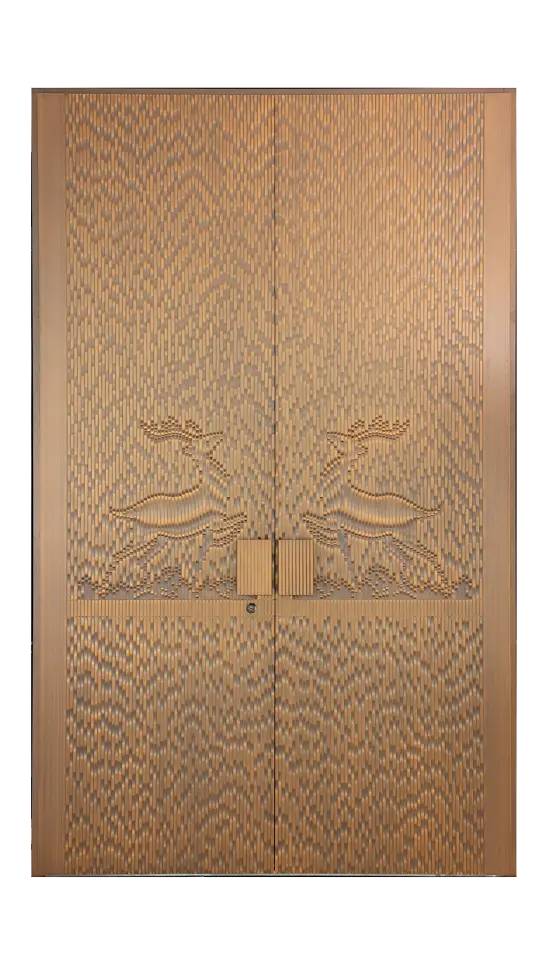
Steel doors are widely known for their strength and durability, making them a popular choice for both residential and commercial properties. However, some users are facing a frustrating issue: visible rust appearing after just one year of use. This unexpected problem is raising concerns about product quality, installation practices, and environmental factors.
Experts point out that rust forms when steel is exposed to moisture and oxygen over time. In high-humidity regions or areas with frequent rain, the risk increases significantly - especially if the protective coating on the door is compromised. Once the outer layer is scratched, chipped, or poorly applied, corrosion can begin much sooner than expected.
One of the most common causes is low-quality surface treatment. Not all steel doors undergo proper anti-corrosion processes such as galvanization, powder coating, or advanced painting techniques. Cheaper products may skip or minimize these steps to reduce costs, leaving the steel vulnerable to early deterioration.
Environmental conditions also play a major role. Coastal areas, where salt is present in the air, can accelerate rusting dramatically. Similarly, industrial zones with high levels of pollutants may contribute to faster corrosion. Even in normal urban environments, poor drainage or water accumulation around the door can create long-term exposure to moisture.
Installation issues are another contributing factor. If a steel door is not sealed correctly, water can seep into joints and edges, leading to internal rust that eventually spreads to visible surfaces. In some cases, improper storage before installation - such as leaving doors exposed to rain - can initiate corrosion before the product is even in use.
Maintenance is often overlooked but critically important. Regular cleaning and inspection can help identify early signs of damage. Applying protective coatings or repainting small scratched areas can prevent rust from spreading. Without routine care, even a high-quality steel door may begin to show wear prematurely.
Manufacturers are increasingly focusing on improving durability through better materials and coatings. Advanced anti-rust technologies and stricter quality control processes are helping to extend product lifespans. For buyers, choosing certified products and reputable suppliers is key to avoiding early failure.
In conclusion, a steel door rusting within a year is usually a sign of underlying issues - whether related to material quality, environmental exposure, installation, or maintenance. By understanding these factors and taking preventive measures, property owners can protect their investment and ensure long-lasting performance.

 EN
EN
 es
es  ru
ru  pt
pt  ar
ar  fr
fr  de
de  cs
cs  fa
fa