In the evolving landscape of contemporary architecture, design flexibility has become a defining factor in material selection. Architects and developers are no longer satisfied with standard solutions; instead, they seek materials that enable creativity, adaptability, and performance. Among the many options available, aluminum doors have emerged as a preferred choice, offering unmatched versatility in modern building design.
Slim Profiles for Minimalist Aesthetics
One of the most distinctive features of aluminum doors is their ability to support slim and elegant profiles. Thanks to aluminum’s high strength-to-weight ratio, frames can be made thinner without compromising structural integrity. This allows for larger glass panels and cleaner lines, aligning perfectly with the minimalist trends that dominate contemporary architecture.
The result is a sleek, modern appearance that maximizes natural light and creates a seamless connection between indoor and outdoor spaces - an essential element in today’s architectural designs.
Wide Range of Customization Options
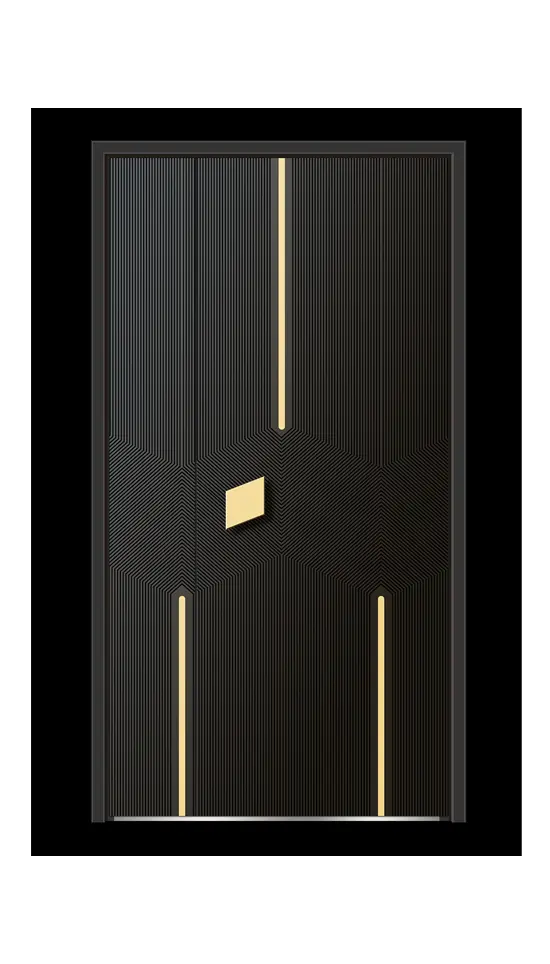
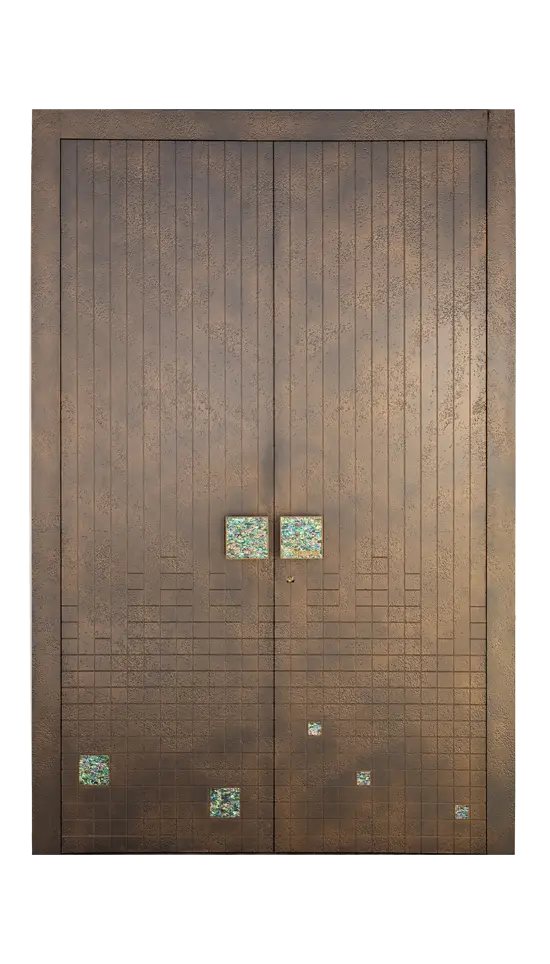
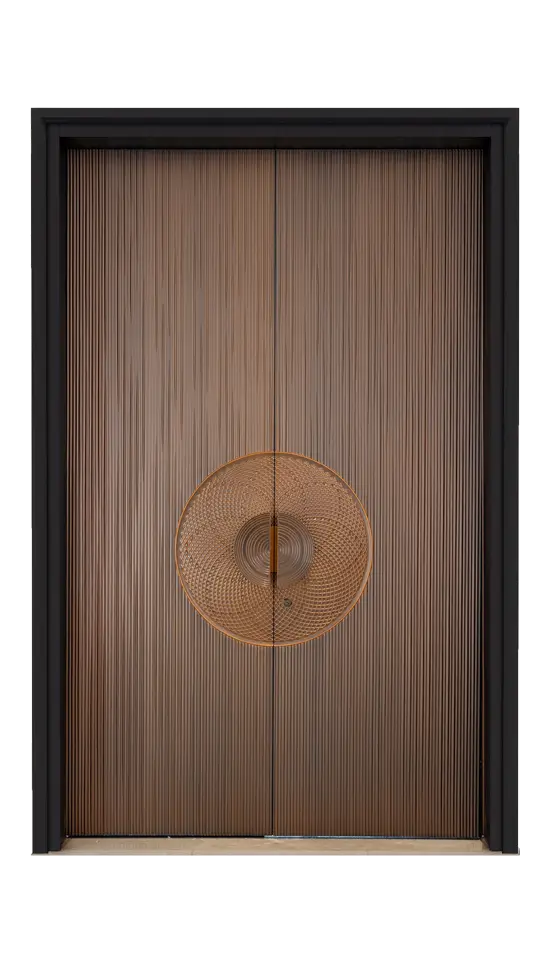
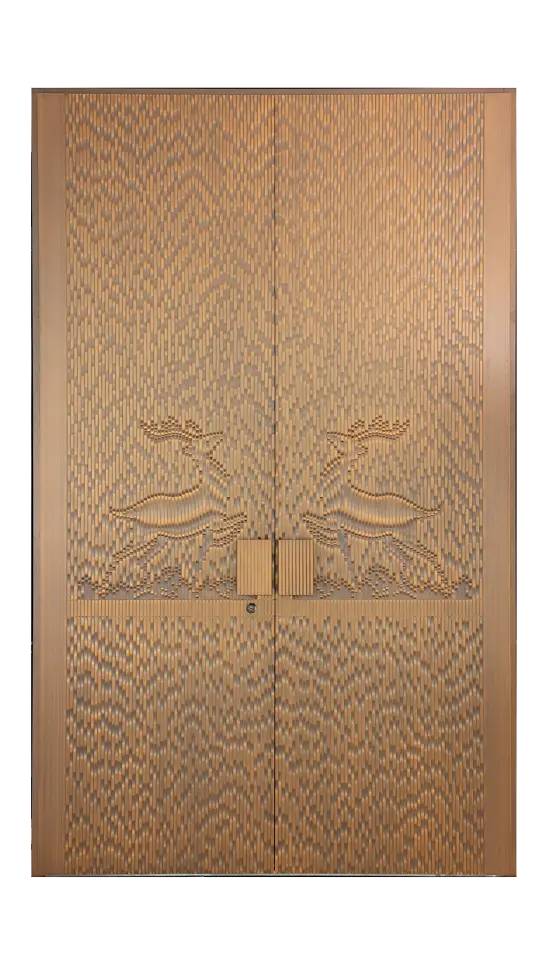
Aluminum doors offer extensive customization possibilities in terms of size, shape, color, and finish. Whether a project requires standard dimensions or fully bespoke solutions, aluminum can be easily fabricated to meet specific design requirements.
From matte and glossy finishes to wood-grain textures and metallic coatings, aluminum doors can be tailored to match diverse architectural styles. This level of customization enables architects to maintain a consistent design language throughout a project while still meeting functional needs.
Compatibility with Multiple Opening Systems
Another major advantage of aluminum doors is their compatibility with various opening mechanisms. Sliding doors, bi-fold doors, pivot doors, and hinged systems can all be constructed using aluminum frames.
This flexibility allows designers to optimize space usage and enhance user experience. For example, sliding aluminum doors are ideal for areas with limited space, while bi-fold systems create wide openings that blur the boundaries between interior and exterior environments.
Integration with Large Glass Panels
Contemporary architecture often emphasizes transparency and openness, making glass a key design element. Aluminum doors are particularly well-suited for supporting large glass panels due to their strength and durability.
This integration not only enhances visual appeal but also improves daylight penetration, reducing the need for artificial lighting. As a result, buildings can achieve both aesthetic and energy efficiency goals simultaneously.
Adaptability to Complex Architectural Designs
Modern buildings frequently feature unconventional layouts, including curved walls, angular structures, and unique spatial configurations. Aluminum’s flexibility allows it to be shaped and engineered to fit these complex designs.
Whether it’s a custom corner installation or a uniquely angled doorway, aluminum doors can be adapted to meet challenging architectural requirements. This makes them an ideal choice for innovative projects that push the boundaries of traditional design.
Enhanced Performance Without Compromising Design
While design flexibility is crucial, performance remains equally important. Aluminum doors can incorporate advanced features such as thermal break technology, sound insulation, and weather resistance without affecting their appearance.
This means architects do not have to compromise between form and function. Aluminum doors deliver both high performance and design freedom, supporting the creation of buildings that are both beautiful and efficient.
Sustainable and Future-Ready Material
Sustainability is a growing priority in contemporary architecture, and aluminum contributes positively in this regard. It is a recyclable material that can be reused without losing its properties, making it an environmentally responsible choice.
Additionally, the long lifespan and low maintenance requirements of aluminum doors reduce the need for replacements, further supporting sustainable building practices.
Conclusion
Aluminum doors offer a unique combination of design flexibility, durability, and performance, making them a key element in contemporary architecture. From slim profiles and large glass integrations to customizable finishes and adaptable configurations, they provide architects with the tools needed to bring creative visions to life.
As architectural trends continue to evolve toward openness, efficiency, and sustainability, aluminum doors are set to remain at the forefront of modern design solutions, enabling innovative and visually striking buildings for the future.

 EN
EN
 es
es  ru
ru  pt
pt  ar
ar  fr
fr  de
de  cs
cs  fa
fa