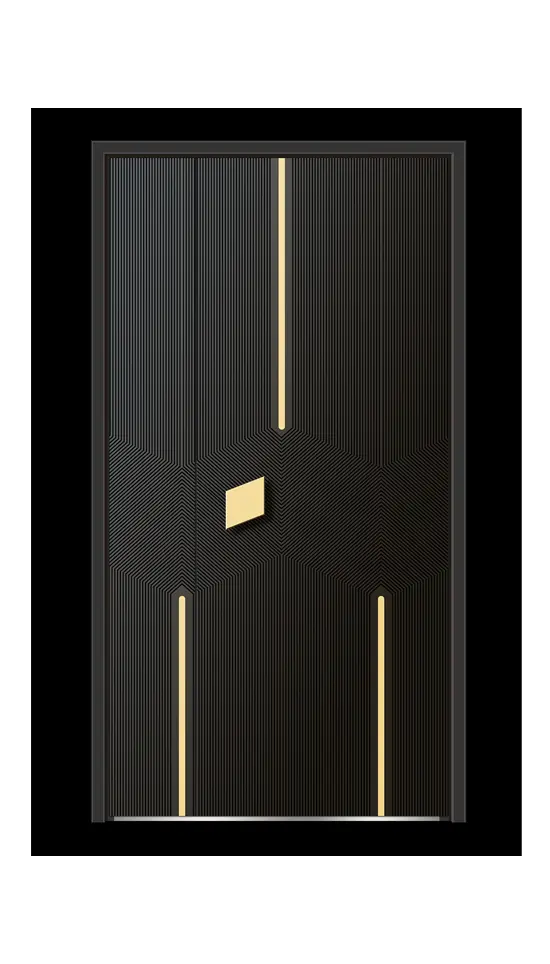
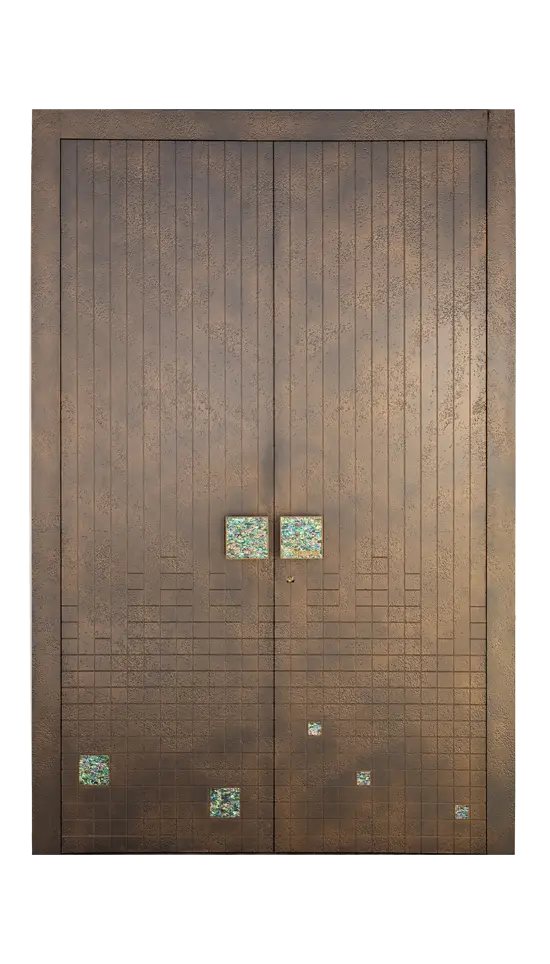
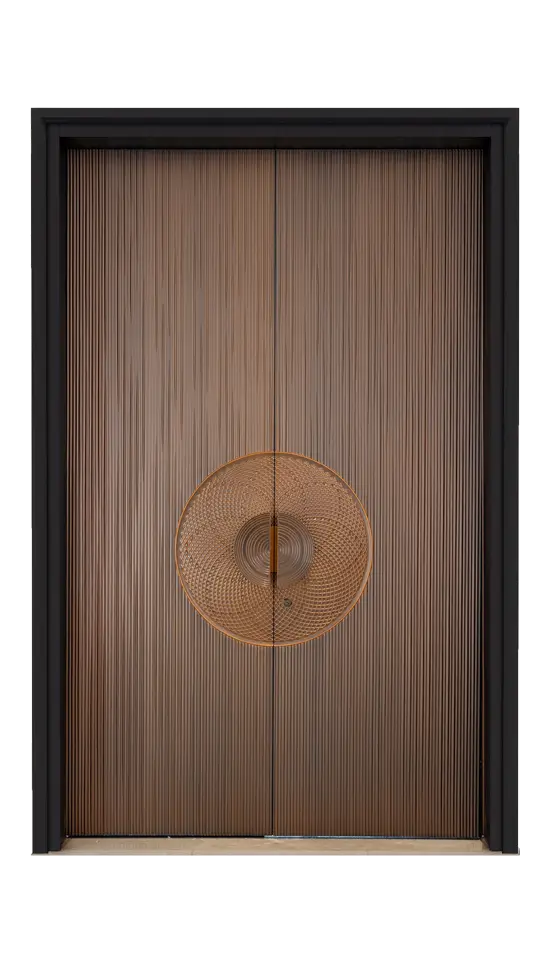
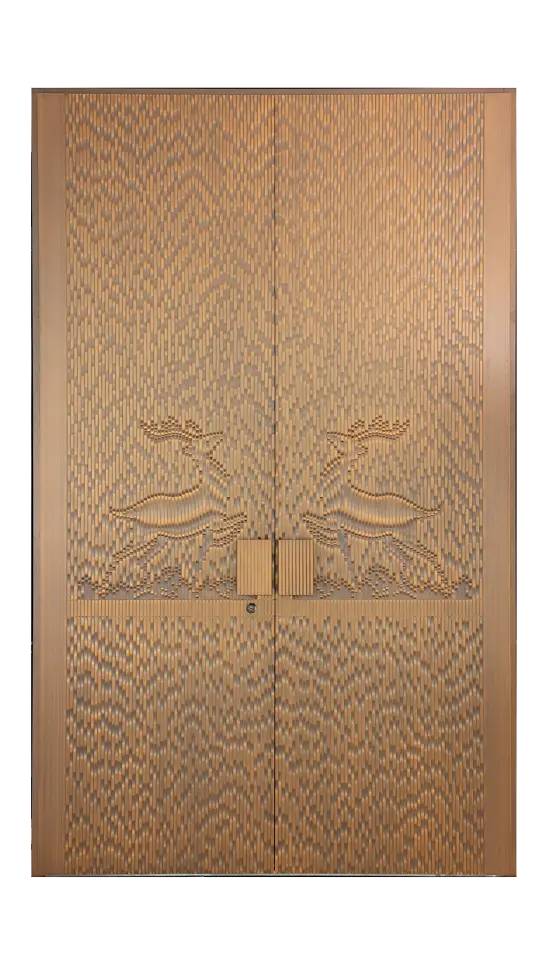
As residential and commercial construction standards evolve, sound insulation performance has become a key factor influencing door selection. Aluminum doors, widely used in modern architectural design, are drawing more attention for their acoustic capabilities. But how effective are aluminum doors for sound insulation in real-world applications?
Industry specialists note that aluminum door systems can deliver strong noise reduction when designed with multiple sealing structures, composite insulation materials, and high-quality glass panels. Unlike hollow wood or PVC doors, aluminum frames offer improved rigidity and tighter sealing, helping prevent airborne noise from entering interior spaces.
The soundproofing performance of aluminum doors largely depends on the configuration. For example, aluminum doors equipped with double-glazed or laminated sound-insulating glass can significantly reduce outdoor traffic noise, mechanical equipment sounds, and urban environmental disturbances. Meanwhile, thermal break aluminum profiles enhance both acoustic and energy performance by interrupting sound transmission through the frame.
Acoustic engineers point out that proper installation is equally important. Poor fitting can undermine soundproofing benefits by creating gaps that allow noise leakage. As a result, construction contractors and real estate developers are increasingly emphasizing precision installation as part of project quality control.
Commercial offices, high-rise residential buildings, hospitals, and hotels have become major adopters of aluminum door systems due to growing expectations for quiet indoor environments. Market analysts predict that demand will continue rising as cities become denser and noise regulations tighten.
In conclusion, aluminum doors can be highly effective for sound insulation when equipped with enhanced sealing, specialized glass combinations, and thermal break structures. While not all aluminum door products offer the same performance, advancements in profile engineering and acoustic design are making them an attractive solution for quieter, more comfortable architectural spaces.

 EN
EN
 es
es  ru
ru  pt
pt  ar
ar  fr
fr  de
de  cs
cs  fa
fa