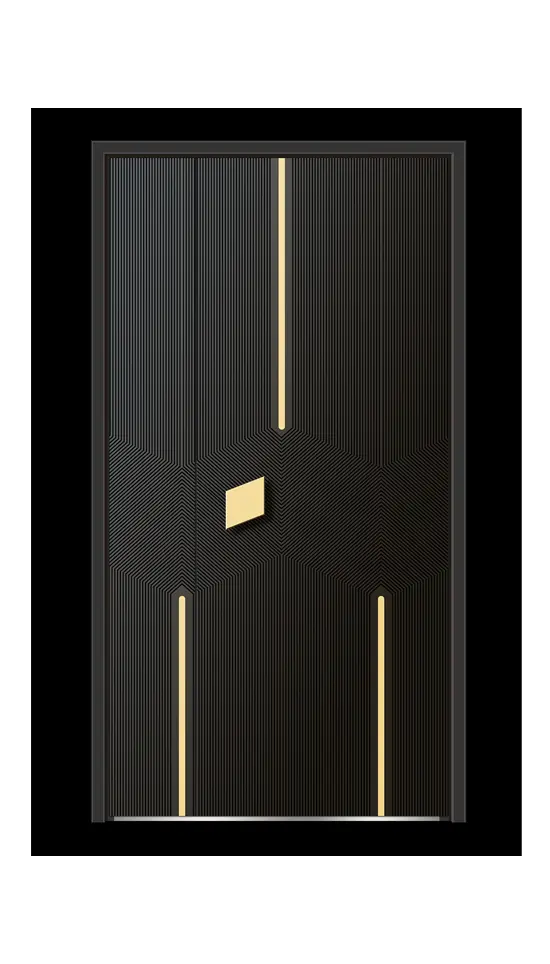
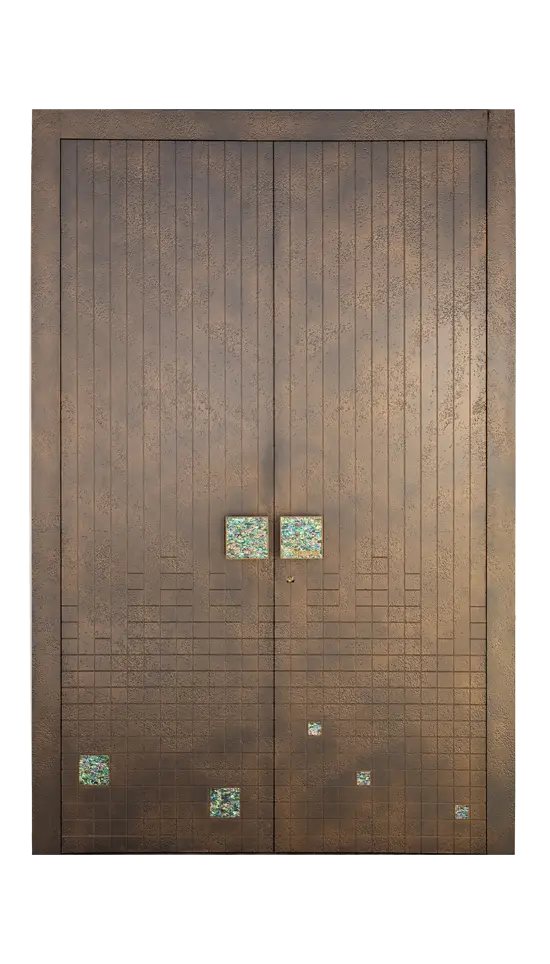
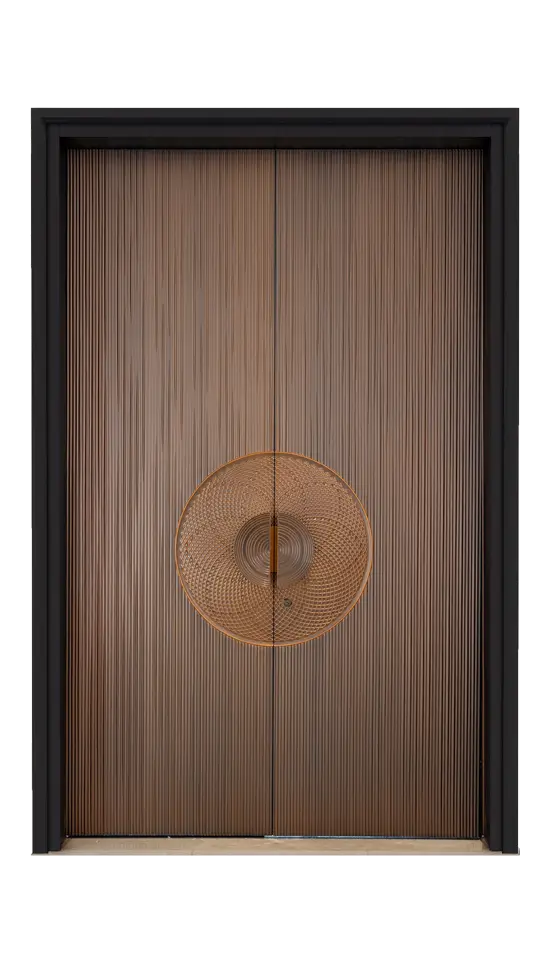
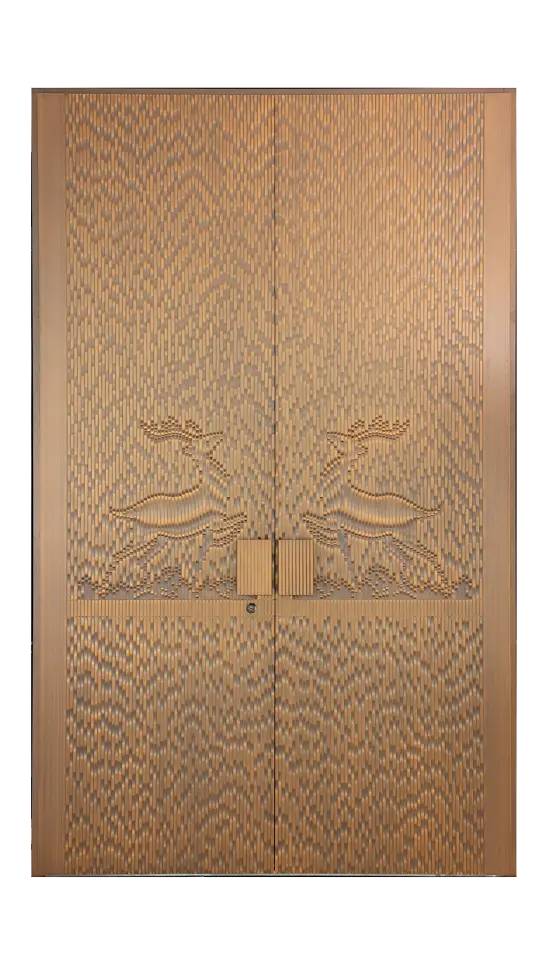
In recent years, WPC doors - short for Wood Plastic Composite doors - have gained remarkable popularity in both residential and commercial construction projects. Combining the natural appeal of wood with the resilience of modern polymers, WPC doors are redefining what homeowners, builders, and architects look for in durable, stylish, and eco-friendly door solutions. So, why are WPC doors being so widely used today? The answer lies in their unique blend of performance, aesthetics, and sustainability.
One of the main reasons WPC doors have become a top choice is their exceptional durability. Unlike traditional wooden doors that can warp, crack, or rot due to moisture and temperature fluctuations, WPC doors remain stable under all weather conditions. The combination of wood fiber and plastic polymers creates a dense, water-resistant material that does not absorb moisture, making it ideal for bathrooms, kitchens, and outdoor installations.
In addition to water resistance, WPC doors are also termite-proof and corrosion-resistant, offering a long service life with minimal maintenance. This feature significantly reduces repair and replacement costs over time, making them a cost-effective investment for property owners. The durability of WPC also ensures that the doors retain their structural integrity and smooth surface finish for years, even in humid or coastal environments.
Another reason for the growing use of WPC doors is their eco-friendly composition. These doors are made from recycled wood fibers and thermoplastics, which means fewer trees are cut down compared to solid wood doors. Their manufacturing process also emits fewer pollutants, aligning with global trends toward sustainability and green building practices. For environmentally conscious consumers, WPC represents a responsible and modern material choice.
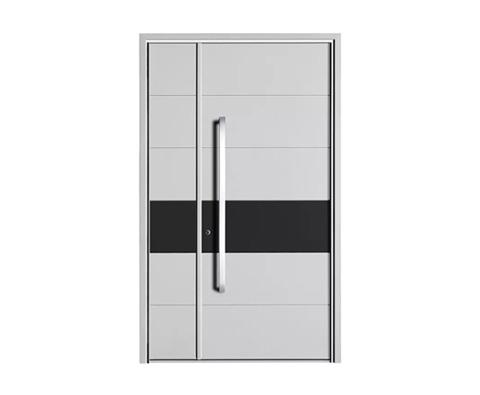
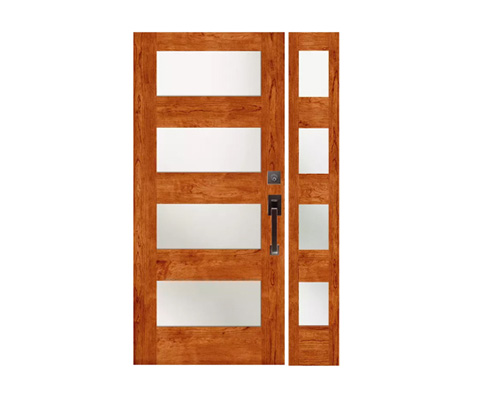
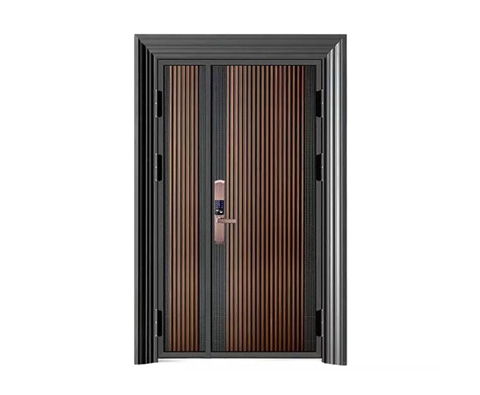
From a design perspective, WPC doors offer tremendous versatility. They can be molded, cut, and finished in various textures, patterns, and colors to suit any interior style - from minimalist modern homes to luxurious villas. Many manufacturers provide custom finishes that mimic natural wood grains, combining visual warmth with superior performance.
Fire resistance is another noteworthy benefit. Many WPC doors are engineered to withstand high temperatures, providing an added layer of safety for residential and commercial properties.
Finally, the installation and maintenance of WPC doors are extremely simple. They do not require regular polishing or painting like traditional wooden doors - just occasional cleaning is enough to keep them looking new.
In conclusion, the widespread use of WPC doors is no coincidence. With advantages like water resistance, termite protection, durability, eco-friendliness, and design flexibility, WPC doors have proven to be the future of modern door manufacturing. As demand for sustainable and long-lasting building materials continues to rise, WPC doors are set to remain a dominant choice in both domestic and international markets.

 EN
EN
 es
es  ru
ru  pt
pt  ar
ar  fr
fr  de
de  cs
cs  fa
fa