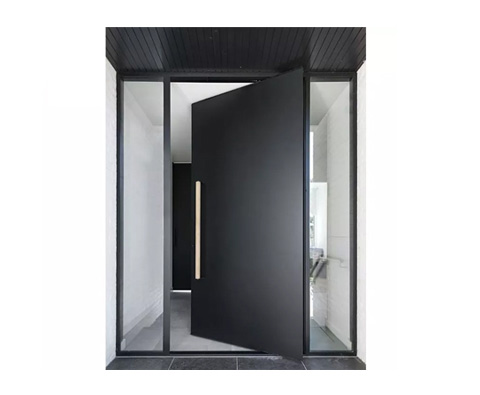
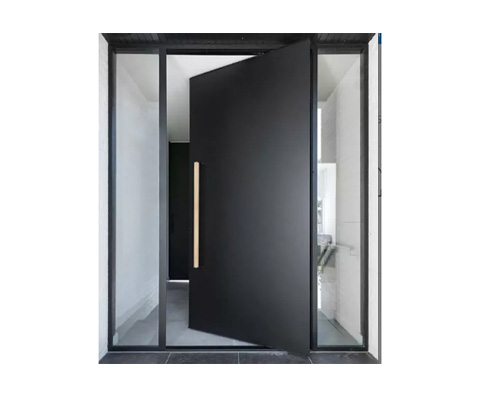
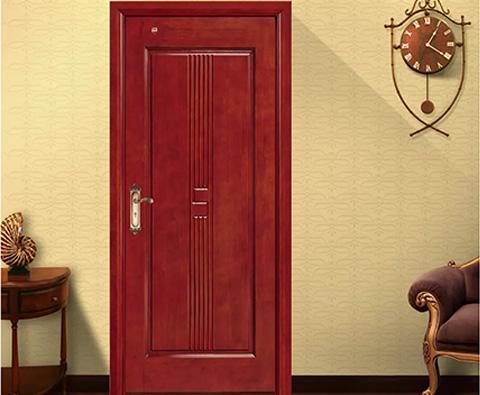
In the modern construction and architectural industry, the demand for durable and weather-resistant building materials continues to rise. Doors, as essential components of both residential and commercial structures, play a critical role in security, insulation, and aesthetic appeal. Among the various options available, aluminum doors have gained significant popularity, often outperforming traditional wooden doors in terms of longevity and resistance to environmental conditions.
Superior Resistance to Moisture and Humidity
One of the most significant advantages of aluminum doors is their excellent resistance to moisture. Wooden doors are highly susceptible to water absorption, which can lead to swelling, warping, and eventual structural damage. In regions with high humidity or frequent rainfall, this becomes a major concern.
Aluminum, on the other hand, is a non-porous material that does not absorb water. This makes aluminum doors highly resistant to corrosion and deformation caused by moisture. As a result, they maintain their shape and functionality over time, even in challenging climates.
Enhanced Durability and Structural Strength
Aluminum is known for its high strength-to-weight ratio, making it both lightweight and extremely durable. Unlike wood, which can crack, split, or weaken over time, aluminum maintains its structural integrity even under heavy use.
This durability ensures that aluminum doors can withstand daily wear and tear, as well as external impacts, without significant damage. For commercial buildings or high-traffic areas, this strength translates into longer service life and reduced replacement costs.
Excellent Weather Resistance
Weather conditions such as extreme heat, cold, wind, and UV exposure can significantly affect the performance of door materials. Wooden doors tend to expand and contract with temperature changes, which can lead to gaps, misalignment, and reduced insulation efficiency.
Aluminum doors are far more stable under varying temperatures. They do not warp or crack due to thermal expansion, and modern finishes such as powder coating provide additional protection against UV rays and corrosion. This makes aluminum doors a reliable choice for both indoor and outdoor applications.
Low Maintenance Requirements
Maintenance is another key factor that sets aluminum doors apart from wooden alternatives. Wooden doors require regular sealing, painting, or varnishing to protect them from environmental damage and maintain their appearance.
In contrast, aluminum doors require minimal upkeep. Their surfaces are resistant to rust, fading, and peeling, allowing them to retain their appearance with simple cleaning. This not only saves time but also reduces long-term maintenance costs.
Resistance to Pests and Biological Damage
Wooden doors are vulnerable to pests such as termites and other insects that can compromise their structural integrity. Additionally, wood can be affected by mold and fungal growth in damp conditions.
Aluminum doors are completely immune to such biological threats. Their inorganic composition prevents pest infestation and eliminates the risk of decay, making them a more reliable option for long-term use.
Sustainability and Modern Design Flexibility
In addition to durability, aluminum doors offer advantages in sustainability and design. Aluminum is a recyclable material, making it an environmentally friendly choice for modern construction projects.
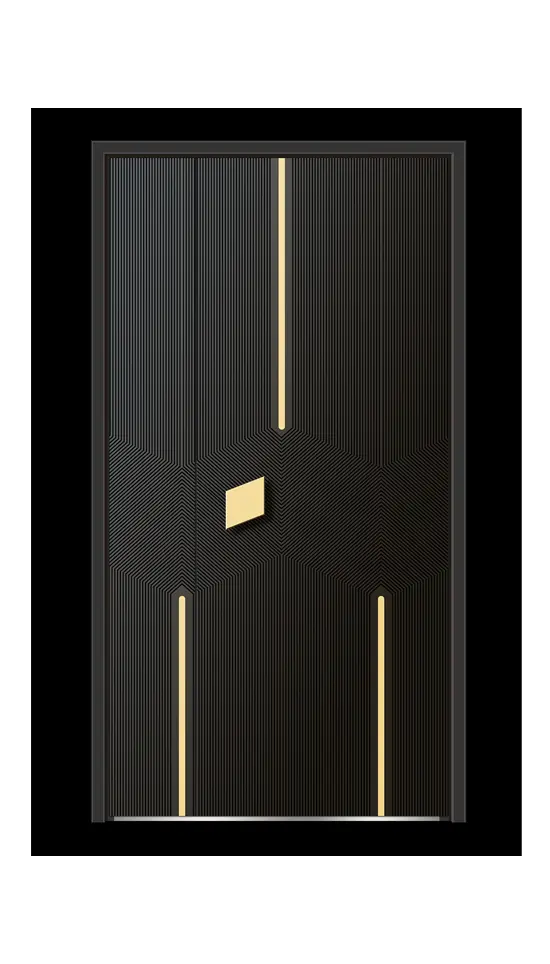
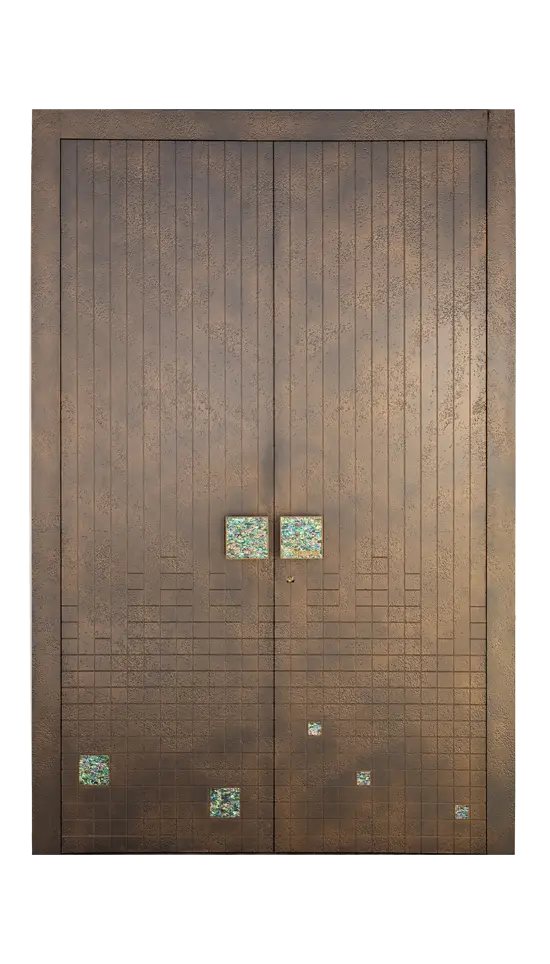
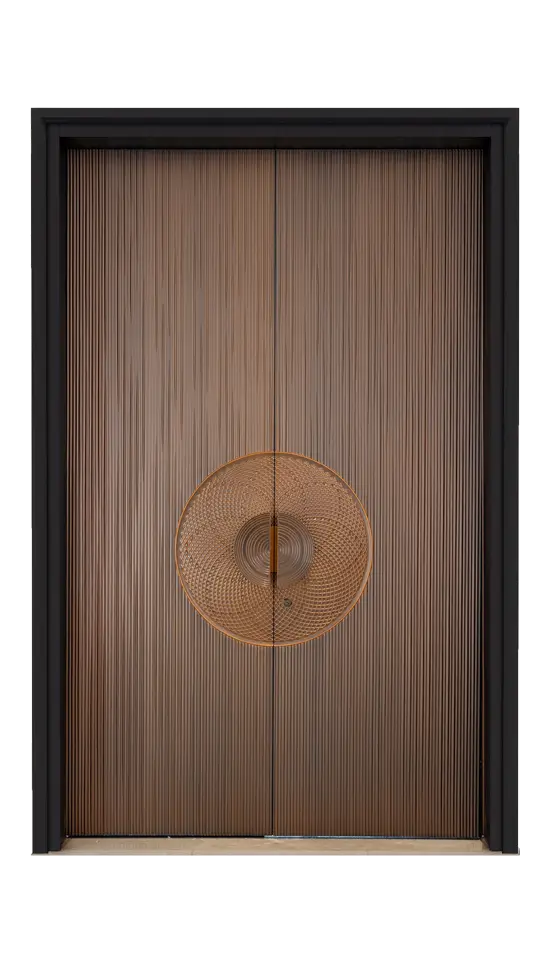
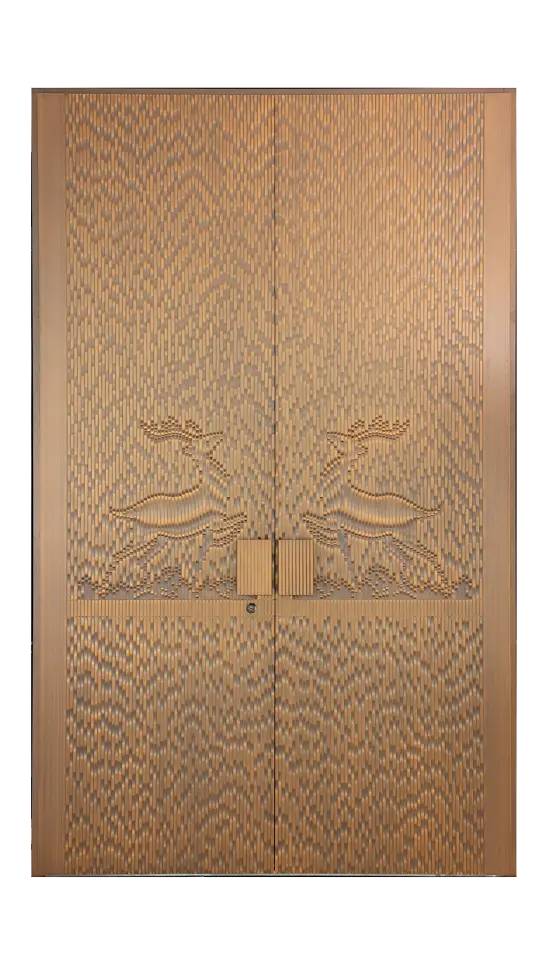
From a design perspective, aluminum doors can be customized in various finishes, colors, and styles to match contemporary architectural trends. Their sleek and modern appearance appeals to both residential and commercial developers seeking both performance and aesthetics.
Conclusion
Aluminum doors have emerged as a superior alternative to wooden doors, particularly in environments where durability and weather resistance are critical. Their ability to withstand moisture, temperature fluctuations, and physical wear makes them a long-lasting and cost-effective solution.
As construction standards continue to evolve, the shift toward materials that combine strength, low maintenance, and environmental resilience is becoming increasingly evident. In this context, aluminum doors stand out as a practical and forward-looking choice for modern buildings.

 EN
EN
 es
es  ru
ru  pt
pt  ar
ar  fr
fr  de
de  cs
cs  fa
fa