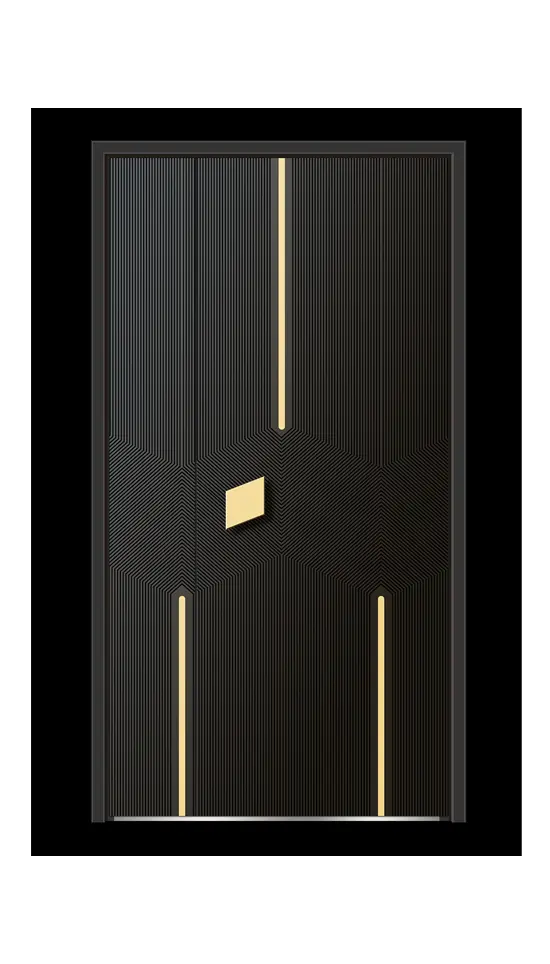
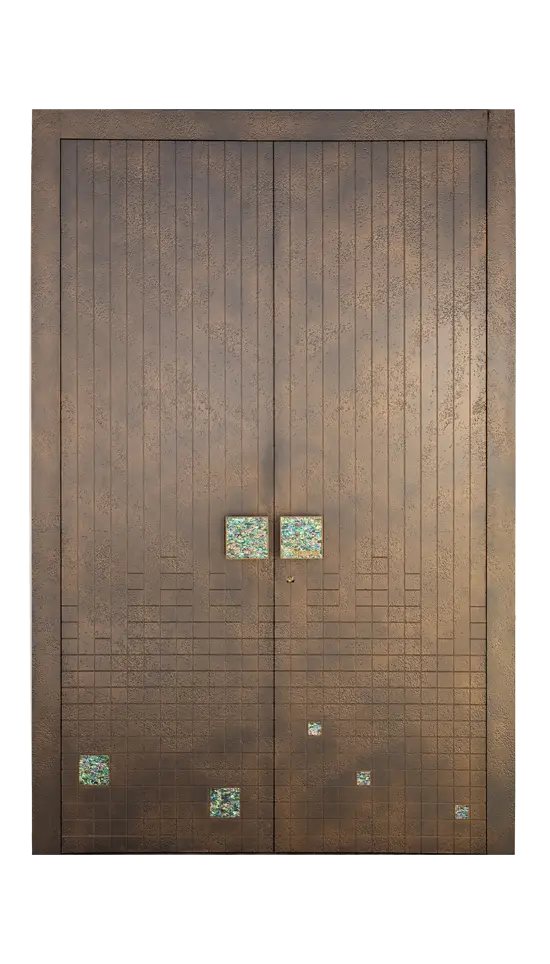
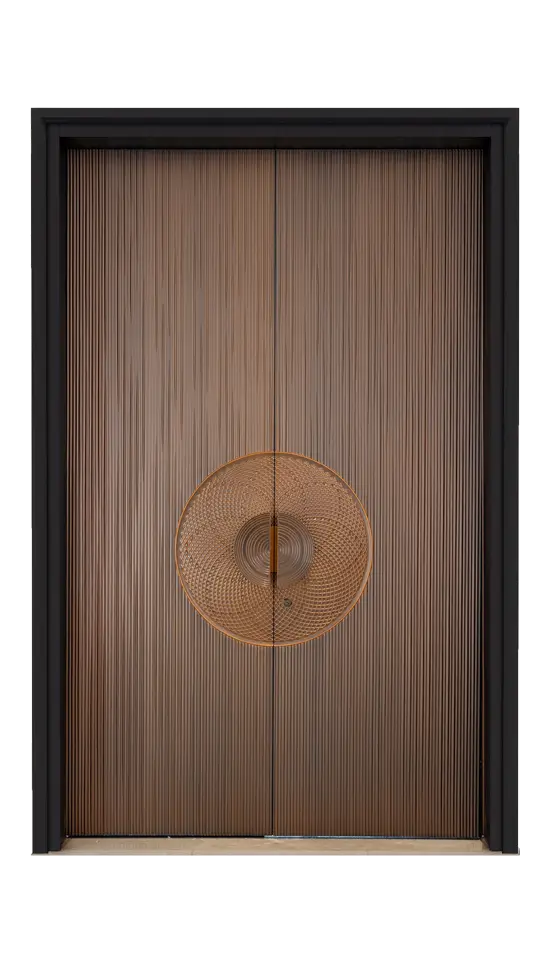
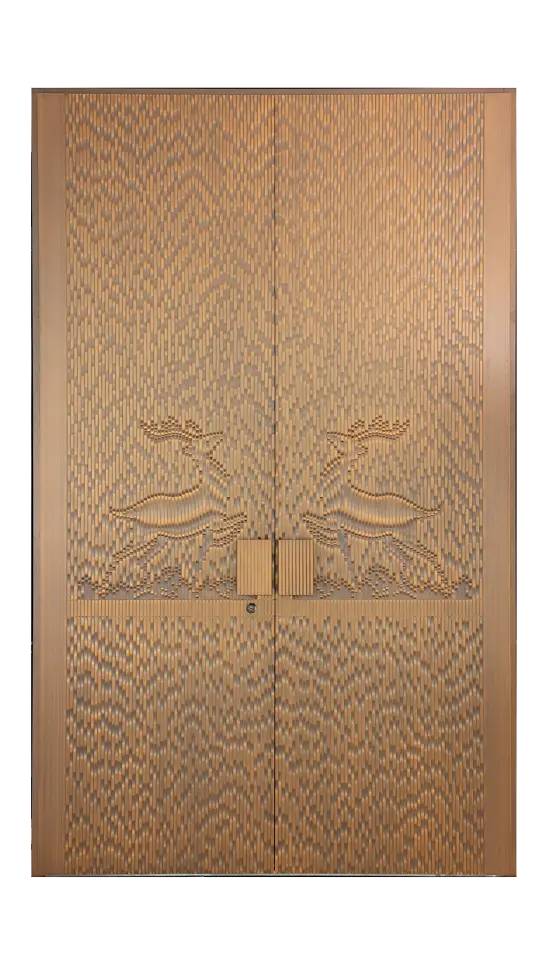
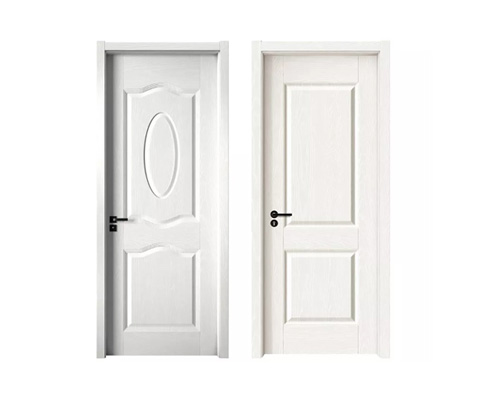
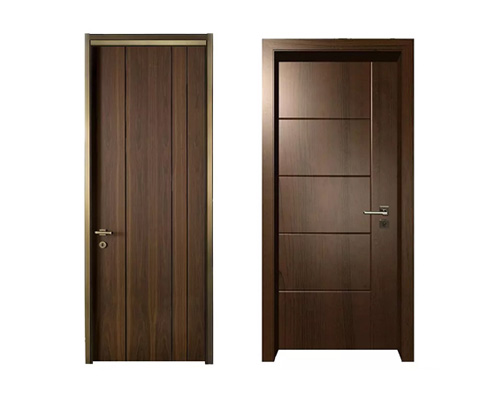
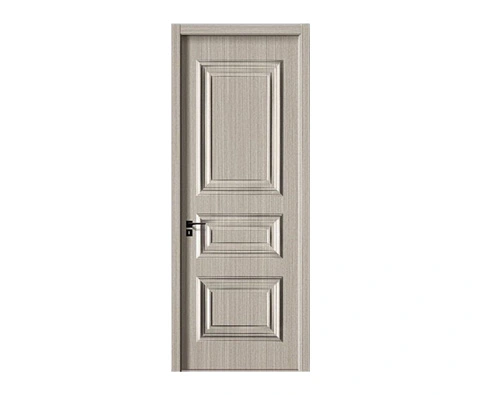
In the construction and building materials industry, doors play a critical role in security, durability, and overall design. Among the most commonly discussed options are steel doors and metal doors. Although these two terms are often used interchangeably, they are not exactly the same. Understanding the difference between a steel door and a metal door can help homeowners, architects, and contractors make more informed decisions.
Understanding Steel Doors
A steel door is specifically manufactured using steel, typically galvanized or cold-rolled steel. These doors are known for their exceptional strength and high level of security. Steel doors are widely used in residential entryways, commercial buildings, industrial facilities, and fire-rated applications.
One of the key advantages of steel doors is their durability. They are resistant to warping, cracking, and impact, making them ideal for areas that require enhanced protection. Many modern steel doors also feature insulated cores, which improve energy efficiency and soundproofing. In addition, steel doors can be finished with powder coating or wood-grain textures, offering both functionality and aesthetic appeal.
What Is a Metal Door?
The term metal door is broader and refers to doors made from various types of metal, including aluminum, stainless steel, iron, or steel. In other words, a steel door is technically a type of metal door, but not all metal doors are steel doors.
Metal doors made from aluminum are lightweight and corrosion-resistant, making them suitable for coastal or humid environments. Stainless steel doors are commonly used in hospitals, food processing plants, and laboratories due to their hygiene and rust-resistant properties. Iron doors, on the other hand, are often chosen for decorative purposes and high-end security designs.
Key Differences Between Steel Doors and Metal Doors
The primary difference lies in material composition and performance. Steel doors prioritize strength, security, and cost-effectiveness, while metal doors offer more material variety and specialized functions. Steel doors are generally heavier and stronger than aluminum doors, but they may require proper coatings to prevent corrosion. Metal doors, depending on the material, can be lighter, more corrosion-resistant, or more visually decorative.
Another important distinction is application. Steel doors are commonly used for entry doors, fire-rated doors, and industrial settings. Metal doors, such as aluminum or stainless steel models, are often selected for commercial interiors, clean environments, or architectural designs where weight and corrosion resistance are critical.
Choosing the Right Door
When deciding between a steel door and a metal door, it is essential to consider factors such as security requirements, environmental conditions, maintenance needs, and budget. Steel doors are an excellent choice for high-security and long-term durability, while other metal doors may be better suited for specific climates or design preferences.
In summary, the difference between a steel door and a metal door lies in material specificity and intended use. Steel doors are a strong, secure, and widely used option, while metal doors encompass a broader category with diverse materials and applications. By understanding these differences, buyers can select the most suitable door solution for their projects, ensuring both performance and value in the long run.

 EN
EN
 es
es  ru
ru  pt
pt  ar
ar  fr
fr  de
de  cs
cs  fa
fa