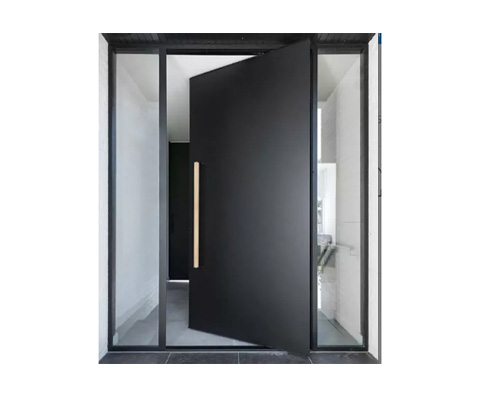
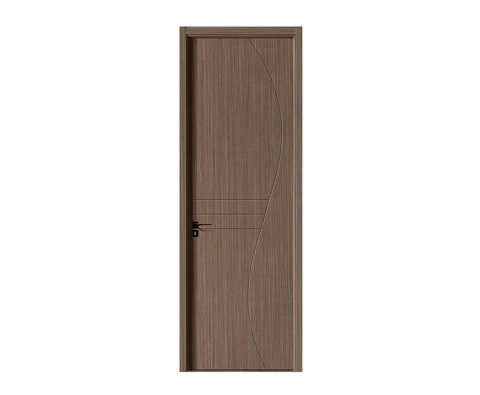
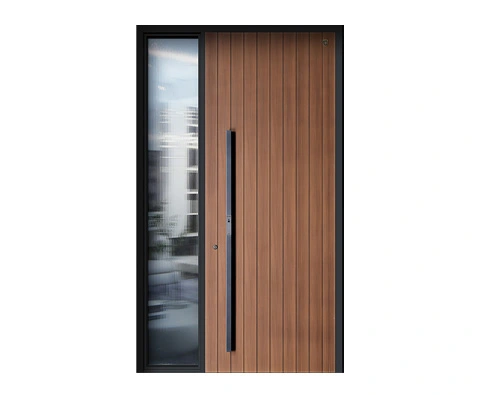
As construction standards continue to evolve toward durability, energy efficiency, and design flexibility, the choice of entry doors has become an important consideration in both residential and commercial projects. Among the most widely used options are steel doors and aluminum doors, each offering distinct advantages depending on application needs.
Steel doors are primarily valued for their strength and security performance. Made from reinforced steel sheets with internal core materials such as polyurethane or mineral insulation, they provide high resistance to impact, forced entry, and harsh environmental conditions. This makes them a preferred choice for industrial facilities, warehouses, and high-security buildings where protection is a top priority.
In addition to security, steel doors offer excellent durability. They can withstand heavy usage and extreme weather conditions, including strong winds and temperature fluctuations. When properly treated with anti-corrosion coatings, steel doors can deliver long service life with relatively low maintenance requirements.
On the other hand, aluminum doors are widely recognized for their lightweight structure and modern appearance. Aluminum is naturally resistant to corrosion, making it particularly suitable for coastal areas or environments with high humidity. This material also allows for slimmer frames and larger glass panels, which is why aluminum doors are often used in contemporary residential buildings, offices, and commercial storefronts.
From an installation perspective, aluminum doors are generally easier to handle due to their lighter weight. This can reduce labor costs and installation time. Additionally, aluminum's flexibility in design allows for a wide range of finishes, colors, and architectural styles, making it a popular choice for projects focused on aesthetics and visual appeal.
When comparing thermal performance, both materials can be engineered to improve energy efficiency. Steel doors often incorporate insulated cores to reduce heat transfer, while aluminum doors rely on thermal break technology to minimize temperature conduction. The final performance largely depends on the quality of manufacturing and system design.
Cost is another key factor influencing decision-making. Steel doors are typically more affordable in terms of material strength-to-price ratio, especially for high-security applications. Aluminum doors, while sometimes more expensive depending on design and glazing options, offer long-term value in terms of corrosion resistance and design flexibility.
Industry experts note that the choice between steel and aluminum doors is not about which material is superior overall, but rather which is better suited for specific project requirements. Security-focused environments tend to favor steel, while modern architectural projects often prefer aluminum for its lightweight structure and aesthetic versatility.
In conclusion, both steel doors and aluminum doors play important roles in today's construction industry. Steel doors excel in strength, security, and durability, while aluminum doors offer advantages in design flexibility, corrosion resistance, and lightweight installation. Understanding these differences helps builders, architects, and property owners make more informed decisions based on functional needs and long-term performance expectations.

 EN
EN
 es
es  ru
ru  pt
pt  ar
ar  fr
fr  de
de  cs
cs  fa
fa