Steel doors are widely used in residential, commercial, and industrial buildings due to their durability, security, and long service life. As global construction demand continues to grow, many buyers are increasingly searching for information about steel door price to better understand market trends and make cost-effective purchasing decisions.
Below is a structured overview of the main factors that influence steel door pricing in today’s market.
1. Material Quality and Steel Grade
The type and quality of steel used in manufacturing directly affect the overall price of steel doors. Higher-grade materials provide better strength and corrosion resistance.
Key material factors include:
Cold-rolled steel vs. galvanized steel
Thickness of steel sheets
Anti-rust coating quality
Fire-resistant material layers
Surface finishing standards
Generally, higher-quality materials lead to higher pricing but better long-term durability.
2. Door Type and Design Complexity
Different steel door designs come with different manufacturing costs. Simple standard doors are more affordable, while customized or reinforced designs increase the price.
Common steel door types include:
Standard entry steel doors
Fire-rated steel doors
Security reinforced doors
Industrial warehouse doors
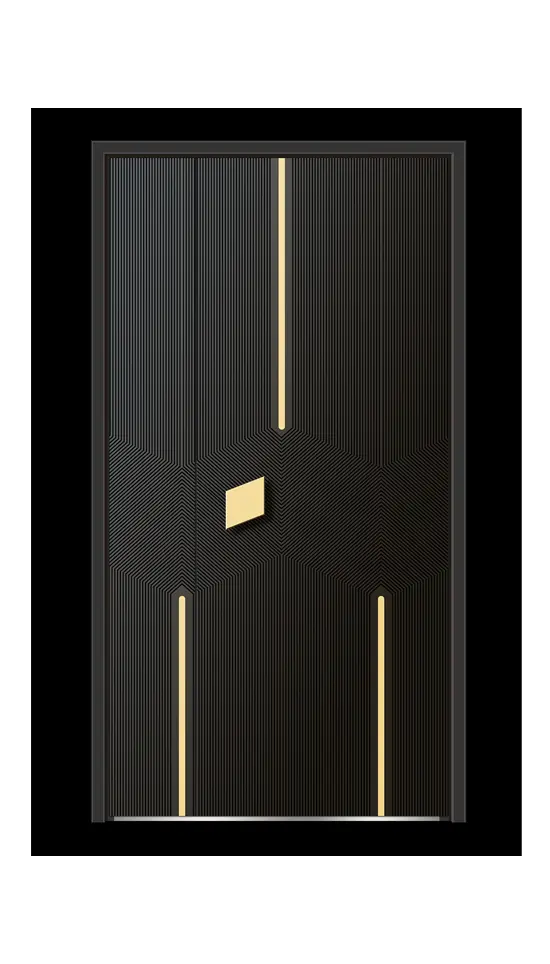
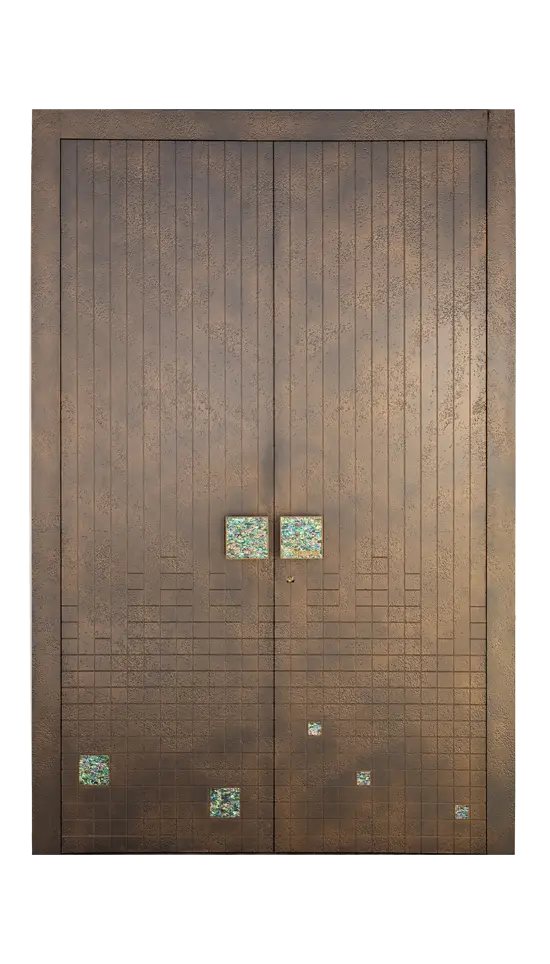
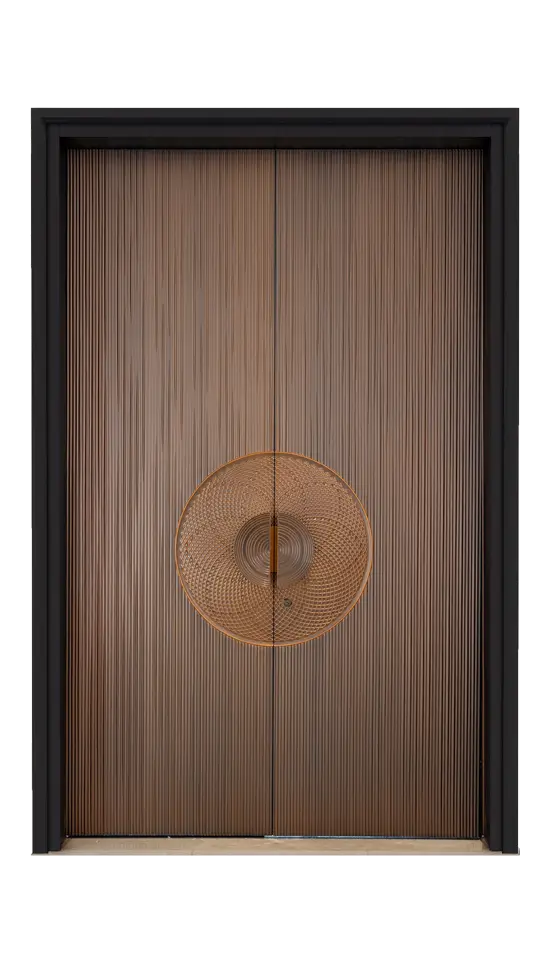
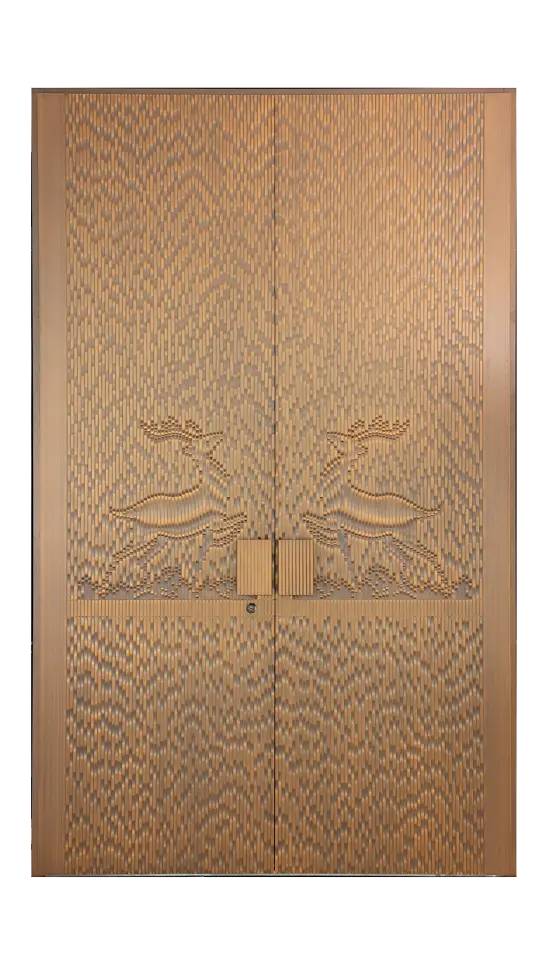
Customized decorative steel doors
More complex designs require additional processing and materials, increasing overall cost.
3. Size and Thickness Specifications
Size is another major factor affecting steel door price. Larger and thicker doors require more raw materials and stronger structural support.
Price-influencing specifications include:
Custom-sized doors typically cost more than standard sizes.
4. Security and Functional Features
Modern steel doors often include advanced security and functional features that increase their value and price.
Additional features may include:
Multi-point locking systems
Fire resistance certification
Sound insulation layers
Anti-theft reinforcement design
Smart lock compatibility
The more advanced the features, the higher the final price.
5. Surface Treatment and Finishing
Surface finishing not only affects appearance but also durability and resistance to environmental conditions.
Common finishing options include:
High-quality finishing increases both aesthetics and product lifespan.
6. Manufacturing Process and Brand Influence
Different manufacturers apply different production technologies and quality standards, which also affect pricing. Well-established brands often offer more reliable quality control and after-sales support.
Key pricing influences include:
Production technology level
Automation in manufacturing
Quality inspection standards
Brand reputation
Warranty and service support
7. Market Demand and Regional Differences
Steel door prices can also vary depending on market demand and regional economic conditions. Construction booms and infrastructure projects can increase demand and influence pricing.
Market factors include:
Local construction activity levels
Import and export costs
Transportation and logistics fees
Labor costs in manufacturing regions
Supply chain stability
Conclusion
The steel door price is influenced by multiple factors including material quality, design complexity, size, security features, finishing, and manufacturing standards. Understanding these key elements helps buyers make informed decisions and choose the right steel door based on both budget and performance requirements. As construction and infrastructure development continue expanding globally, steel doors remain a reliable and cost-effective solution for modern building security and durability needs.

 EN
EN
 es
es  ru
ru  pt
pt  ar
ar  fr
fr  de
de  cs
cs  fa
fa