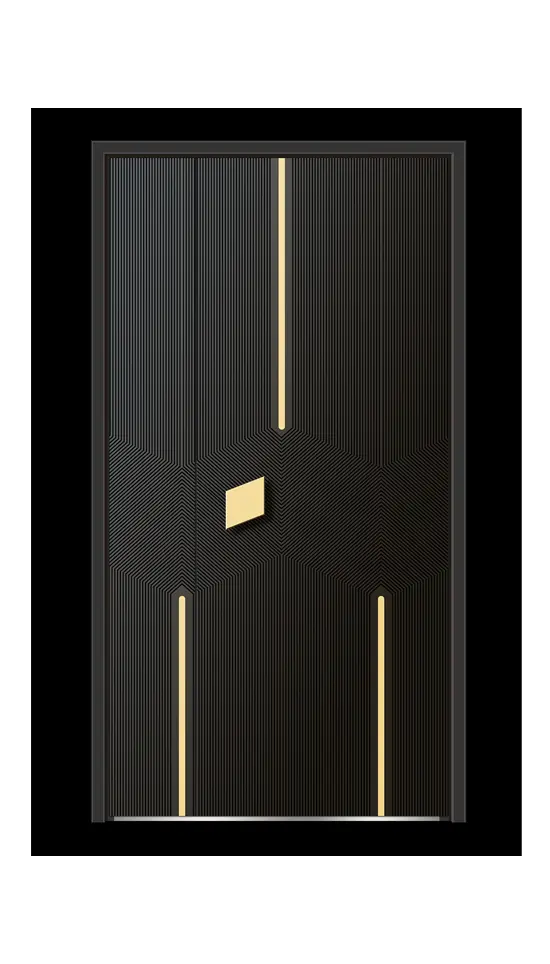
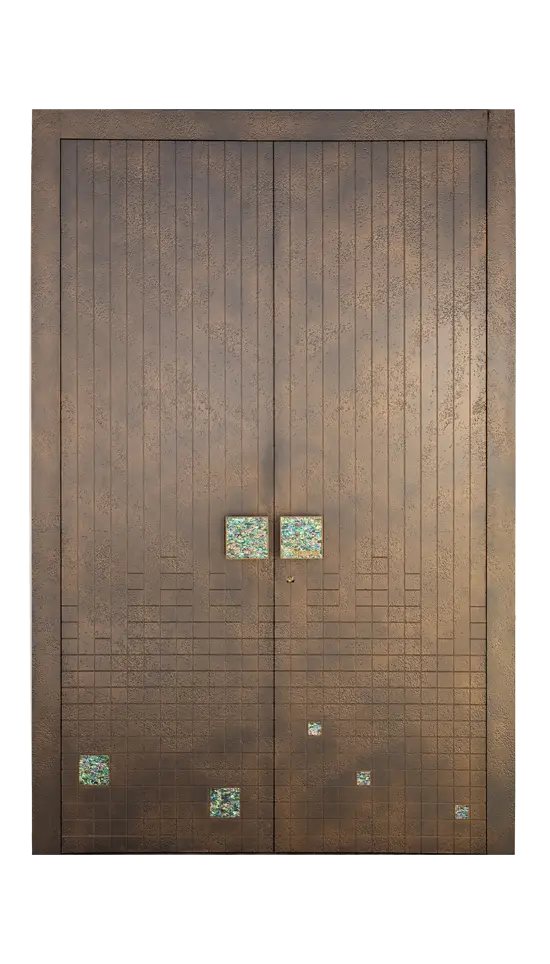
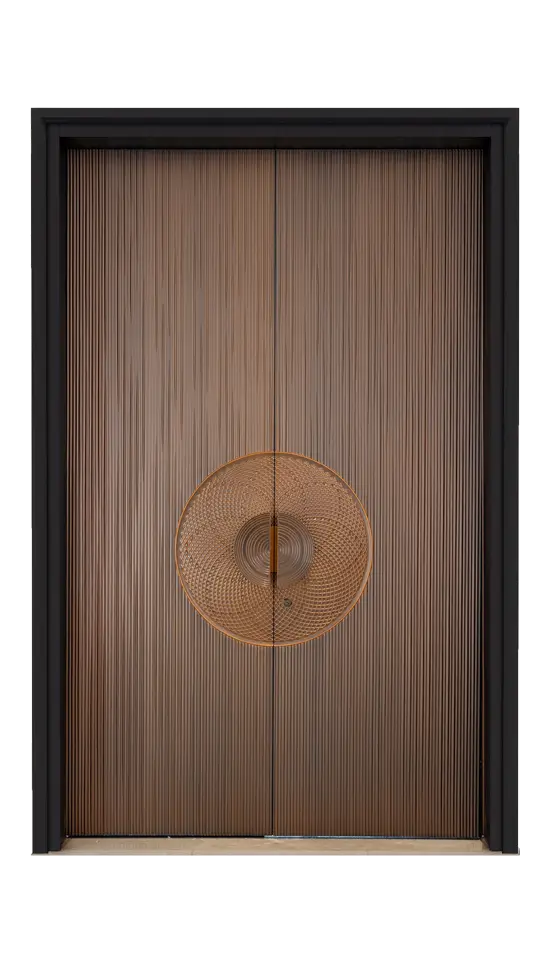
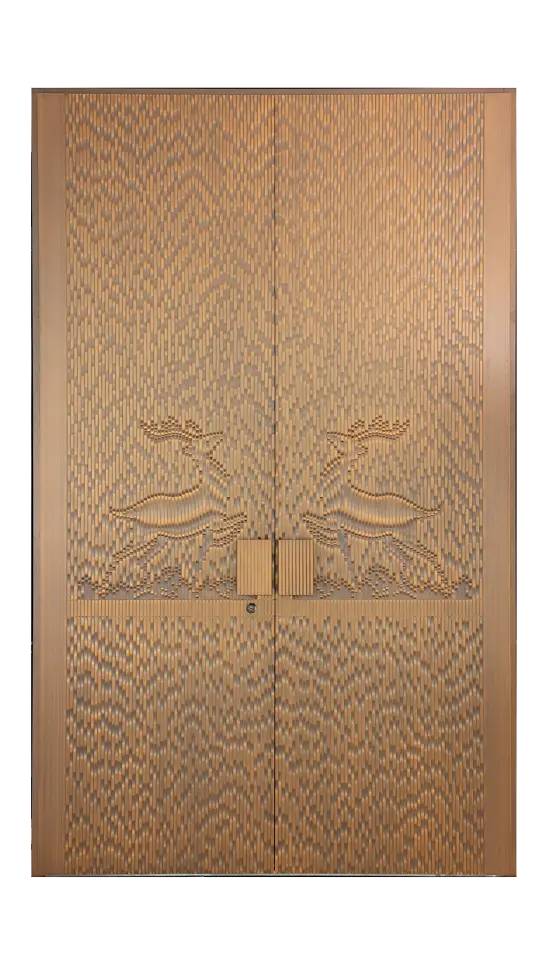
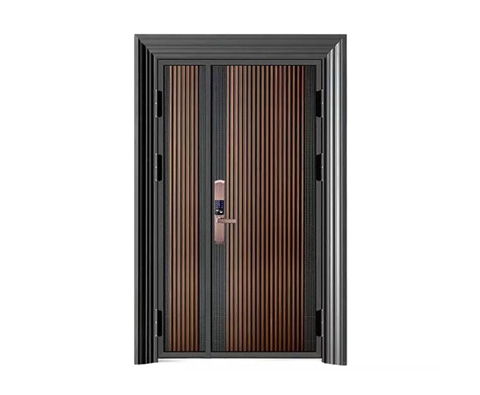
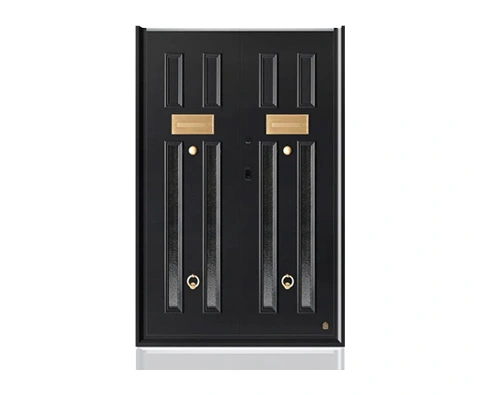
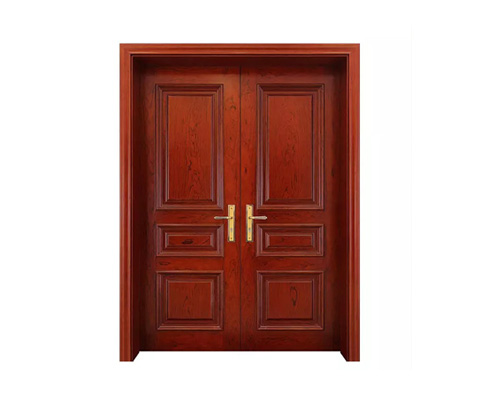
Steel entry doors have earned a strong reputation for durability, energy efficiency, and security. However, exposure to moisture, salt, and harsh weather can lead to oxidation and rust - an issue that compromises both the appearance and longevity of the door. As homeowners continue investing in weather-resistant materials for modern housing, preventing corrosion has become a key maintenance topic in residential design and construction.
Common Causes of Rust on Steel Doors
1. Moisture Exposure
Rain, condensation, melting snow, and humidity are the leading drivers of corrosion. Areas near coastal climates or where temperature swings cause dew buildup face higher risks.
2. Surface Damage
Scratches, chips, and dents expose raw steel beneath the protective finish. When left untreated, oxidation spreads from small points into larger rust patches.
3. Inadequate Paint or Coating
Paint serves as a moisture barrier, but low-grade coatings, poor application, or lack of primer accelerate corrosion. Over time, coatings fade, crack, or peel, making periodic re-finishing necessary.
4. Chemical Contact and Road Salt
Winter grit, salt spray, and cleaning chemicals promote metal oxidation and speed up corrosion, especially near the bottom edge of entry doors.
Effective Ways to Prevent Rust Formation
1. Apply Protective Paint and Primers
Home improvement experts recommend using rust-inhibiting primer followed by high-quality exterior paint or polyurethane. These coatings seal steel surfaces against moisture and UV damage.
2. Seal Gaps and Door Frames
Weatherstripping, silicone caulking, and proper sealing of door jambs prevent water intrusion. Reducing moisture contact is one of the most reliable defenses against corrosion.
3. Clean and Inspect Regularly
Routine cleaning removes salts, grime, and chemical residues that can corrode steel. Regular inspection helps catch early surface damage before rust develops.
4. Repair Chips and Scratches Promptly
Small abrasions left untreated often become rust hotspots. Touch-up paint or metal repair kits rebuild the protective coating and stop oxidation before it spreads.
5. Improve Drainage and Ventilation
Entryways exposed to rain or snow should maintain adequate drainage. In damp climates, ventilation reduces condensation buildup on both interior and exterior door surfaces.
When Rust Already Appears
Minor rust can often be remedied without replacing the door. Sanding the affected area, applying rust neutralizer, and repainting can restore appearance and protection. However, deep rust that penetrates steel layers may require panel replacement or professional repair to prevent structural compromise.
Growing Demand for Rust-Resistant Home Materials
With homebuyers increasingly concerned about long-term durability and maintenance costs, manufacturers are expanding the use of galvanized steel, powder-coat finishes, and advanced anti-corrosion technologies. As a result, the market for rust-resistant exterior materials continues to grow, especially in coastal regions and areas with severe winters.
Conclusion
Steel entry doors remain a popular choice for homeowners seeking strength and style, but preventing rust is essential to maximizing their service life. Through proper sealing, coating, routine inspection, and timely repairs, corrosion can be effectively mitigated. As residential construction trends shift toward longer-lasting materials, rust prevention has become a prominent focus in modern home exterior design.

 EN
EN
 es
es  ru
ru  pt
pt  ar
ar  fr
fr  de
de  cs
cs  fa
fa